Dubai has a genuinely active outdoor sports culture, but it runs to a strict seasonal clock. From October through April, cycling groups depart before sunrise, padel courts fill days in advance, and running clubs meet along the creek and through residential communities from Al Barsha to Jumeirah. The Dubai Fitness Challenge, which runs annually each November, draws hundreds of thousands of residents into outdoor activity for 30 consecutive days, reflecting how embedded sport has become in the city’s lifestyle identity.
Then June arrives. The outdoor window closes. By July, exercise before 6am or after 8pm is the only tolerable option, and even that narrows as the month progresses. The equipment that defined a resident’s weekend routine for six months gets used less, then rarely, then not at all.
For most Dubai apartments, that equipment has to go somewhere. Storage rooms fill fast. Balconies are the default but are genuinely unsuitable for most sports gear through a Dubai summer. The question of where to put it, and how to protect it, matters more than most residents expect.
What the summer does to sports equipment
Sports and outdoor equipment tends to be built for active use in normal conditions, not for months of static storage in extreme heat. The materials that make gear perform well, carbon fibre, lightweight alloys, synthetic rubbers, neoprene, foam padding, adhesive bonding, are often the same materials that respond poorly to sustained heat exposure.

Bicycle tyres crack and deform when left inflated in high temperatures. Carbon fibre frames can develop stress points when stored incorrectly under heat. Foam padding in helmets, gloves, and protective gear compresses permanently. Neoprene in wetsuits and water sports equipment degrades and loses elasticity. Adhesives in footwear, racket grips, and equipment handles soften and eventually fail.
Beyond material degradation, there is a practical maintenance issue. Equipment stored on a hot balcony or in an unventilated room for three months tends to emerge in October needing cleaning, servicing, or minor repair before it is usable again. That cost, in time and money, is entirely avoidable.
Cycling equipment
Bicycles are among the most common and most poorly stored items in Dubai apartments during summer. The default approach, leaning a bike against a balcony wall or hanging it in a storage room, is adequate for short periods but problematic over a full summer.
Direct sun exposure causes tyre rubber to crack, brake pad compounds to harden, and cable housing to become brittle. Leaving tyres fully inflated in high heat increases the risk of blowouts or bead failure. Lubricants on chains and derailleurs dry out faster than expected and attract dust that accelerates wear.
Before storing a bicycle for the summer, deflate tyres to around 50 percent pressure, clean and re-lubricate the chain, and if possible wrap the frame to protect against dust and UV exposure. A proper indoor storage space with some air circulation makes a meaningful difference to the bike’s condition come October.
For residents with higher-end road bikes, gravel bikes, or full-suspension mountain bikes worth several thousand dirhams, a climate-managed environment is worth considering seriously rather than treating as an extravagance.
Padel, tennis, and racket sports
Dubai has established itself as a serious global hub for padel, most recently hosting the Premier Padel P1 tournament at the 7,000-seat Hamdan Sports Complex, and the recreational player community across the city has grown substantially alongside that profile. Rackets, however, are more heat-sensitive than most players account for when packing up for summer.
String tension drops in high heat, and strings left under tension in a hot environment lose performance and become more prone to snapping. Grip tape dries out, hardens, and peels. Frame materials, particularly graphite composites, can warp under sustained heat if stored under any compression or left in a case in direct sun.
The practical steps are simple: release string tension slightly before long-term storage, keep rackets in cases, and store them indoors away from windows. Balls, whether padel, tennis, or squash, should be stored sealed. Foam balls used in training can deform permanently if left compressed or stacked in a hot environment.
Water sports and beach equipment
Dubai’s beach and water sports culture generates a category of equipment that is genuinely difficult to store in a standard apartment: paddleboards, kayaks, surfboards, wetsuits, snorkelling gear, and associated accessories.
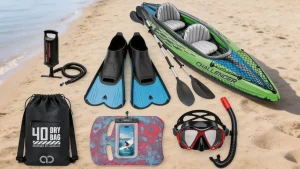
Inflatable paddleboards can technically be deflated and stored in a bag, but leaving them in a hot storage room for three months accelerates seam stress and valve degradation. Hard boards and kayaks need to be stored off the ground, horizontal or on a rack, away from direct sun and heat sources. Neither option is realistic in most Dubai apartments.
Wetsuits and neoprene gear should be rinsed, dried completely, and stored loosely rather than compressed or tightly folded. Folding neoprene along the same crease repeatedly weakens the material at that point. Hanging is better than folding for anything neoprene.
This category of equipment tends to be bulky, awkwardly shaped, and hard to protect in a typical apartment storage room. For residents who have invested in water sports gear, personal storage solutions that offer the right unit size and conditions make a practical difference.
The Seasonal Equipment Audit
Before moving sports equipment into storage for the summer, a quick audit produces a clearer picture of what actually needs protecting and what can be handled differently.
The audit works across four questions for each item:
- Is it heat-sensitive? If yes, it needs more than a balcony or an unventilated storage room.
- Is it bulky or awkwardly shaped? If yes, it is probably taking up disproportionate space in the apartment and would be better held off-site.
- Is it expensive or difficult to replace? If yes, the cost of proper storage is justified against the cost of damage or replacement.
- Will it be used before October? If no, there is no reason for it to occupy prime apartment space through the summer.
Running through this audit takes less than thirty minutes and produces a clear action list. Most residents find two or three categories of equipment that belong in proper off-site storage, several items that can be stored adequately in the apartment with basic precautions, and one or two things that deserve more care than they were getting.
Camping and hiking gear
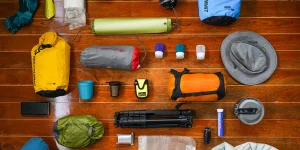
Dubai has an active hiking and camping community, particularly among residents who use the Hatta mountains and the desert edges of the emirate during the cooler months. Tents, sleeping bags, trekking poles, portable stoves, and hydration packs see heavy use from October to April and none from June to September.
Tents should be stored clean and completely dry. Any moisture left in fabric or on poles before storage will produce mildew by the time they come back out. Sleeping bags should be stored uncompressed, either hanging or loosely packed in a large bag rather than in their compression sacks. Continuous compression degrades insulation fill over time.
Trekking poles, portable stoves, and hard equipment are generally more forgiving but benefit from a cool, dry space rather than a hot car boot or outdoor storage cupboard that will reach oven temperatures by July.
Practical steps before summer closes in
The window to sort this properly is now, before departure dates create time pressure and before the heat makes moving equipment in and out of storage rooms genuinely unpleasant.
- Clean all equipment before storing, not after a summer sitting dirty
- Deflate inflatable items to reduced pressure rather than fully deflated or fully inflated
- Store items requiring hanging space on proper hangers or racks, not crumpled in bags
- Keep electronics, GPS devices, heart rate monitors, and cycling computers in a cool indoor space
- Label storage boxes clearly so retrieval in October is straightforward
- Charge battery-powered components to around 50 percent before long-term storage
For residents in communities like JBR, The Greens, or Al Barsha who have accumulated a full season’s worth of gear and not enough apartment space to store it properly, short-term storage through the summer months is a practical solution. The team at Storage Space can help you work out the right unit size for what you have. Request a quote before the summer rush begins.