The Equipment Is Not the Problem. The Space Is.
A lot of Dubai residents built home gyms during the pandemic years and never fully dismantled them. A set of dumbbells here, a bench there, resistance bands in a drawer, a folded treadmill wedged behind a door. It made sense at the time. Now it occupies square footage that a growing household, a new working arrangement, or a lease change has made impossible to justify.
The decision to store a home gym is rarely about giving up on fitness. It is usually about reclaiming a room that is being asked to do too many things at once.
In Dubai, where apartment living is the norm across communities like Dubai Marina, JLT, Downtown, and Business Bay, the spare bedroom or study that doubled as a gym through quieter periods is now needed for something else. A child who got older, a colleague who moved in, a home office that finally needs to be a proper one.
Storing the equipment is straightforward. What takes more thought is making sure fitness does not quietly disappear along with it.
What a Home Gym Actually Contains

Before anything goes into storage, it is worth doing a proper audit. Most home gym setups contain more than their owners realize, spread across multiple rooms and storage spots.
The typical Dubai home gym includes some combination of free weights and dumbbells, a weight bench, resistance bands and cables, a cardio machine such as a treadmill, stationary bike, or rowing machine, yoga mats and foam rollers, kettlebells, pull-up bars or door-mounted equipment, and an assortment of smaller accessories that accumulate over time.
Some of this is worth keeping accessible. Some of it can go into storage without any meaningful impact on a regular routine. The distinction between the two is where most people lose time.
Separating Daily Kit from Stored Equipment
The most practical approach is to divide equipment into two categories before anything is packed or moved.
Daily or weekly kit covers the items that genuinely feature in a regular routine: a set of resistance bands, a yoga mat, a single pair of dumbbells, a jump rope. These are compact, easy to store at home in a wardrobe or under a bed, and cover most of what a consistent training habit actually requires. Keeping these at home means fitness continues without interruption.
Everything else, the bench, the barbell, the cardio machine, the full dumbbell rack, the bulk of what takes up floor space, can go into personal storage without disrupting a routine built around the essentials.
The point is not to strip everything out and hope motivation holds. It is to be deliberate about what stays, so that the decision to store equipment does not quietly become the decision to stop training.
How to Pack Gym Equipment Properly
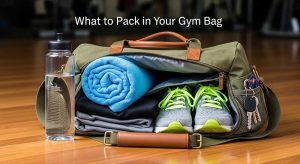
Gym equipment is dense, awkward, and often poorly designed for transport. Packing it carelessly leads to damaged flooring, scratched equipment, and units that are impossible to navigate when you need to retrieve something.
A few principles make the process significantly easier:
- Disassemble everything that can be disassembled. Bench legs, barbell collars, pull-up bar components, and cable attachments should all be removed and packed separately with labels.
- Wrap metal components in moving blankets or thick padding to prevent scratching and surface damage during transport and storage.
- Store weight plates flat and stacked, not upright. Upright plates shift and topple, which creates a safety issue and damages surrounding items.
- Keep dumbbells in pairs and label the weight clearly on the outside of any box or bag. Retrieving a specific weight without labels is more frustrating than it sounds.
- Roll resistance bands loosely rather than folding them. Tight folds create weak points that cause snapping over time.
- Drain any water from rowing machine tanks before storing, and follow manufacturer guidance for treadmill belts and motors going into extended storage.
For households also managing a relocation or room clearance alongside the gym move, combining this with packing and moving support saves considerable time and reduces the risk of equipment being damaged in transit.
Dubai’s Heat and What It Does to Gym Equipment
This is the detail that catches most people out. Gym equipment looks robust, and most of it is. But a Dubai summer in an unventilated storage space creates conditions that degrade specific materials faster than expected.
Rubber flooring tiles and mats can warp and emit odour in sustained heat. Foam rollers and padded bench surfaces soften and lose shape. Electronic components in treadmills and bikes, particularly display screens and motor housings, are sensitive to temperature extremes. Leather or vinyl upholstery on benches and seats cracks when exposed to prolonged heat without conditioning.
For anyone storing a setup that includes a cardio machine, padded equipment, or electronics, a climate-controlled unit is worth the marginal additional cost. The alternative is retrieving equipment in September or October that looks and performs noticeably worse than when it went in.
The Routine Continuity Plan
Here is where most people lose the thread. Equipment goes into storage, the room gets repurposed, and within a few weeks the training habit fades because the environmental cue that triggered it has disappeared.
This is well-documented in habit research and it is particularly relevant for home gym users, whose routine was tied directly to a specific space. When the space changes, the trigger disappears with it.
The Routine Continuity Plan addresses this directly. Before the equipment moves out, identify the three to five movements that form the core of your training, the ones you would do if you had twenty minutes and minimal gear. Build a compact version of your routine around what stays at home. Schedule it at the same time and in the same space, even if that space now looks different.
The goal is to keep the habit intact at a reduced footprint while the main setup is in storage, rather than planning to resume properly once the situation changes. That resumption rarely happens on its own without an active plan to support it.
When the Setup Comes Back
Storage for a home gym is rarely permanent. Most people move equipment out during a transition, a lease renewal, a renovation, a new baby, a house move, and retrieve it once the situation settles.
Planning the retrieval is as important as planning the storage. If you packed with the unpacking in mind, using the labelling approach described earlier, reassembly is a few hours rather than a full day. Knowing which unit and which section holds the bench versus the cardio machine versus the accessories means the setup is back and functional quickly.
Residents using short-term storage for this kind of transition period find that easy access and flexible contract terms matter more than price once the retrieval moment arrives. A unit that is difficult to reach or requires advance booking for access creates friction exactly when you want none.
The Equipment Deserves Better Than a Corner
A home gym represents a real investment. In Dubai, where quality fitness equipment carries significant import costs, a dumbbell set or a commercial-grade bike is worth protecting properly.
Storing it well, with the right packing, the right conditions, and a clear retrieval plan, means the investment holds its value and the routine picks up where it left off. That is a better outcome than a cluttered room that serves no one, or a set of equipment that deteriorates quietly in the wrong conditions.
If you are ready to clear the space and keep the habit, request a quote and the Storage Space team will help you find the right setup for what you have.