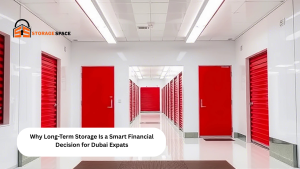
There is a moment every seasonal seller in Dubai knows well. The pop-up has just closed. The last customer has left. The team is tired but the energy is still high from a good run. And then comes the immediate, practical question that nobody planned for carefully enough: where does all of this go now?
Racks, display units, branded signage, packaging materials, unsold stock, lighting equipment, and a dozen other items that collectively made the pop-up look effortless are now sitting in a space that needs to be vacated, often within hours. What happens next determines whether the next activation is smooth or chaotic.
For Dubai’s growing community of seasonal sellers, pop-up brands, and market traders, storage is not a peripheral concern. It is the operational backbone that makes agile retail possible. Get it right and each activation builds on the last. Get it wrong and every pop-up feels like starting from scratch.
Why Pop-Up Retail in Dubai Is Growing
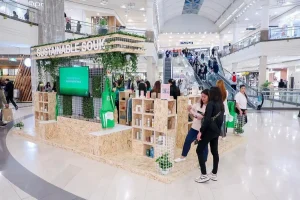
Dubai’s retail landscape has changed significantly in recent years. Permanent retail space is expensive, competitive, and increasingly difficult to justify for brands that operate seasonally, test new concepts, or prefer the flexibility of moving between locations and formats.
The alternative has become genuinely mainstream. City Walk, Boxpark, Bluewaters, La Mer, Dubai Hills Mall, and a growing number of community markets and curated retail events have created a vibrant ecosystem for pop-up and short-term retail. Brands that would once have needed a permanent store to reach Dubai’s consumer base can now do it in four weeks at City Walk, then a weekend at a Jumeirah community market, then a presence at an exhibition or trade event.
This flexibility is the appeal. But it creates a logistics challenge that permanent retailers do not face in the same way. A fixed store has a stockroom, a back office, and a permanent address for deliveries. A pop-up operation has none of those things by default. Every activation requires the seller to solve the same fundamental problems: where does the inventory come from, where does the equipment live between activations, and how does it all move efficiently from storage to selling floor and back again?
The Three Phases of a Pop-Up Storage Cycle
The most useful way to think about storage for seasonal retail is to map it to the natural cycle of a pop-up activation rather than treating it as a single static requirement.
The first phase is pre-launch staging. This is the period between when stock and equipment arrive and when the pop-up opens. During this phase, everything needs to be organized, accessible, and ready to move. A well-configured storage unit during this phase functions as a staging area. Stock is sorted and labelled by category. Display equipment is grouped by assembly sequence. Packaging materials are positioned for fast access. The better this phase is organized, the faster and less stressful the setup day becomes.
The second phase is live operations. During an active pop-up, the storage unit functions as a back-of-house that the pop-up itself does not have. Replenishment stock lives here. Overflow packaging stays here. Items that are not performing well on the floor can be rotated back temporarily while other lines take their place. For sellers operating across multiple locations simultaneously, short-term business storage provides the central hub that coordinates inventory across all of them.
The third phase is post-activation breakdown. When the pop-up closes, the storage unit receives everything. Unsold stock is catalogued and assessed. Display equipment is cleaned, checked, and stored properly. Branded materials are evaluated for reuse. This phase, done well, sets up the next activation. Done badly, it creates the accumulated chaos that makes the next pop-up harder than it needs to be.
What Seasonal Sellers Actually Need to Store
The volume surprises most first-time pop-up operators. A retail activation that looks minimal and curated on the outside typically involves a substantial amount of supporting material behind the scenes.
Common storage requirements for pop-up and seasonal sellers in Dubai include:
- Display fixtures, racks, shelving units, and stands
- Branded signage, banners, and visual merchandising materials
- Packaging, bags, tissue paper, boxes, and branded wrapping
- Unsold and replenishment inventory
- Lighting equipment, cables, and extension leads
- Point-of-sale equipment and accessories
- Seasonal décor and props
- Storage containers, trolleys, and moving equipment
For sellers who operate across multiple seasonal windows throughout the year, this material accumulates quickly. Without a proper storage strategy, it either gets discarded between activations at unnecessary cost, or it gets stored badly and arrives at the next pop-up in poor condition.
Retail inventory storage designed for commercial operations provides the organized, secure environment that keeps all of this in proper condition between activations, ready to deploy when the next opportunity arises.
The Agile Storage Model
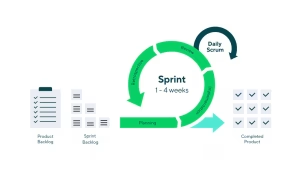
The word agile gets used a lot in business contexts, but it has a specific and useful meaning for pop-up retail. An agile storage strategy is one that can respond quickly to opportunity.
Dubai’s pop-up calendar is not always predictable. A great location becomes available with two weeks notice. An event organizer offers a last-minute slot at a premium venue. A brand collaboration creates an unexpected activation opportunity. Sellers who can respond to these opportunities tend to build momentum faster than those who need weeks of preparation each time.
The difference, almost always, comes down to how well organized the storage situation is. A seller whose inventory is properly catalogued, whose display equipment is clean and ready, and whose storage unit is configured for fast deployment can say yes to an opportunity that arrives with short notice. A seller whose stock is disorganized, whose equipment needs maintenance, and whose storage situation is chaotic will miss it.
Event and exhibition storage provides the kind of organized, accessible environment that supports this kind of operational readiness. The unit is not just a place to put things. It is a deployment base.
Climate and Condition Management
This matters more for retail inventory than most sellers initially appreciate.
Dubai’s temperature and humidity levels are genuinely challenging for certain product categories. Fashion and apparel, particularly natural fibers, are vulnerable to humidity-related damage over extended storage periods. Candles, cosmetics, and beauty products can melt, separate, or degrade in heat. Food and beverage products, even shelf-stable ones, have temperature sensitivities. Printed materials, packaging, and branded collateral fade and warp in unstable conditions.
For sellers in these categories, climate-controlled business storage is not an optional upgrade. It is a basic requirement for maintaining the quality and presentation standards that pop-up retail in Dubai’s premium venues demands. Arriving at City Walk or Boxpark with heat-damaged stock or warped signage is a problem that proper storage prevents entirely.
Building the Pop-Up Storage Cycle Framework
Here is a practical system that seasonal sellers in Dubai can implement regardless of scale.
Before each activation, spend one dedicated session in the storage unit preparing for deployment. Check stock levels against the planned range. Inspect display equipment for any damage. Confirm all branded materials are in good condition. Create a deployment checklist and pack the unit in reverse activation order, so that the first things needed on setup day are the last things packed and therefore the most accessible.
During each activation, treat the storage unit as live back-of-house. Visit it regularly rather than waiting until the pop-up closes. Rotate stock as needed. Return items that are not working rather than leaving them taking up selling floor space.
After each activation, do a proper close-out before leaving the storage unit. Catalogue unsold stock by category and condition. Clean and check display equipment before storing it. Make a note of anything that needs repair or replacement before the next activation. Update your inventory list.
This cycle, repeated consistently, means each activation genuinely builds on the previous one rather than repeating the same organizational challenges from scratch.
Quick Wins for Seasonal Sellers in Dubai
If your current storage situation is holding your pop-up operation back, these are the most effective immediate steps:
- Create a master inventory list of everything currently in storage. If you do not know what you have, you cannot deploy it efficiently.
- Separate display equipment from product inventory. These have different handling requirements and should live in different parts of the unit.
- Establish a clear zone for replenishment stock versus archive stock. Items waiting to go on the floor and items being assessed for future seasons should not be mixed.
- Store display fixtures in assembly order. The base of the unit first, the top last.
- Label everything. A storage unit that can be navigated by any member of the team, not just the person who packed it, is an operational asset.
The Bigger Picture for Pop-Up Brands
For sellers who are building a pop-up brand in Dubai rather than running a one-off activation, the storage strategy is worth thinking about at a slightly higher level.
The most successful seasonal sellers in Dubai treat their storage unit as infrastructure rather than overflow. It is the stable base that their mobile retail operation runs from. Getting that base right, whether through business storage in Al Quoz or another configuration that suits the operation, is an investment in the business rather than a cost.
Brands that build proper storage infrastructure tend to activate more often, with less effort, at better quality, and with lower per-activation costs than those who improvise each time.
If you are building a seasonal retail operation in Dubai and want to talk through the right storage setup for your specific situation, request a quote and the team will help you find the right configuration.
The pop-up is the show. Storage is what makes the show possible.