Renting a storage unit for the first time is one of those decisions that seems straightforward until you actually start looking into it. There are more options than expected, more variables than anticipated, and a handful of questions that nobody thinks to ask until after they have already signed up.
This guide exists to change that. Whether you are a Dubai resident clearing space at home, a business managing excess assets, or an expat preparing for a summer departure, the information here will help you make a confident, well-informed decision before you commit to anything.
Start With Why — Because It Shapes Everything Else
The single most important question to answer before looking at any storage facility is a simple one: what are you actually storing, and for how long?
The answer to that question determines unit size, storage type, access requirements, and budget. Getting it wrong at this stage leads to either paying for more space than needed or discovering mid-way through that the unit is too small and the wrong configuration for the items inside it.
Be specific. A general sense of having a lot of stuff to store is not a useful starting point. A clear inventory of furniture, boxes, equipment, or seasonal items, with a rough sense of volume and a realistic timeline, is.
Dubai residents preparing for a summer departure have different requirements from a business storing office furniture during a relocation. An expat arriving in the city for the first time needs a different setup from a family decluttering a villa before renovation. The storage market in Dubai serves all of these needs, but the right solution is specific to each situation.
Understanding Unit Sizes
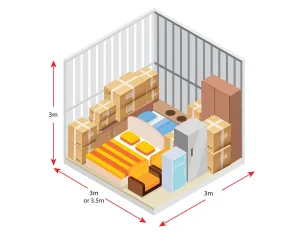
Storage units are typically measured in square feet or square metres, and the sizing options available vary between facilities. Understanding what different sizes actually accommodate in practice is more useful than the numbers alone.
A small unit, typically in the range of 25 to 50 square feet, suits personal items, a few boxes, luggage, and seasonal belongings. It is the right starting point for individuals storing a limited volume of personal effects.
A medium unit, in the range of 50 to 150 square feet, accommodates the contents of one or two rooms. This is the most common size for residents clearing space during a renovation, storing furniture between moves, or managing a home office setup that is temporarily not in use.
A large unit, from 150 square feet upward, suits the contents of a full apartment or significant business assets. This range is typically used for full home transitions, business equipment storage, or commercial inventory.
The most common mistake first-time renters make is underestimating volume. Items pack down less efficiently in a storage unit than they do in a home where furniture is spread across multiple rooms. When in doubt, size up slightly rather than discovering on moving day that everything does not fit.
If you are unsure, the team at Storage Space can walk you through a sizing consultation based on the specific items you plan to store.
What Climate Control Actually Means — and When You Need It
Climate-controlled storage is one of the most misunderstood features in the market. Many people assume it is a premium option for valuable or unusual items. In Dubai, it is significantly more relevant than that.
A non-climate-controlled space in Dubai during summer months can reach temperatures well above fifty degrees Celsius. Humidity levels, particularly in coastal areas, compound the problem. In these conditions, a wide range of everyday items deteriorate faster than most people expect.
Items that genuinely require climate-controlled storage include:
- Wood furniture, which warps and splits in fluctuating humidity
- Leather items, which dry out, crack, and lose shape in heat
- Electronics, which degrade in high temperatures and humidity
- Artwork, prints, and framed photographs
- Designer clothing, particularly natural fibres
- Documents and paperwork
- Candles, cosmetics, and personal care products
- Musical instruments
If your storage list includes any of these, climate control is not optional. It is the condition that makes storage worthwhile.
For business customers, the same principle applies to office furniture, IT equipment, printed materials, and any product inventory with temperature or humidity sensitivity. Climate-controlled business storage maintains the stable conditions that protect commercial assets through Dubai’s extreme summer months.
Access — More Important Than Most People Realise
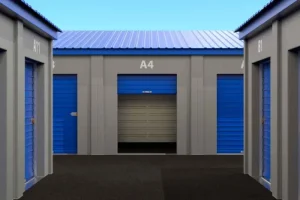
How often you need to access your storage unit is a question worth thinking through carefully before signing up, because access arrangements vary significantly between facilities and between storage types.
Some storage customers store items and genuinely do not need to retrieve anything until they close the unit. An expat storing furniture during a six-month departure is a good example. For this customer, access frequency is low and the priority is security and condition management.
Other customers need regular access. A business storing rotating inventory, a pop-up retailer retrieving stock for activations, or a professional accessing equipment between projects may need to visit the unit weekly or more frequently.
24/7 self-storage access is the right solution for customers who need flexibility and frequency. Knowing you can access your unit at any time, without booking in advance or working around facility opening hours, removes a significant practical constraint for customers whose schedules do not follow a standard working week.
Confirm access arrangements before signing up. Understand the facility’s opening hours, whether after-hours access is available, and what the process is for retrieving items at short notice.
What to Look for in a Storage Facility
Not all storage facilities are equal, and the differences matter more than the pricing comparison suggests. Here are the most important factors to assess before committing.
Security is the non-negotiable starting point. CCTV coverage, controlled access, individual unit locks, and in-house security personnel are the baseline. Ask specifically about who can access the facility and what controls are in place.
Location matters practically, not just geographically. A facility that is technically close to your home or office but difficult to reach in traffic, or with limited parking for loading and unloading, adds friction to every visit. Storage Space is located in Al Quoz Industrial Area 4, near Sheikh Zayed Road, which makes it genuinely accessible from most parts of Dubai.
Facility condition reflects the quality of management. A well-maintained facility with clean common areas, functioning lighting, and well-kept units indicates an operator that takes the storage environment seriously. A facility that shows signs of neglect in common areas is likely showing similar neglect in less visible areas.
Flexibility of terms is worth understanding upfront. Some facilities require long minimum rental periods. Others offer month-to-month flexibility that suits customers whose timelines are uncertain. Knowing whether you can adjust your unit size, extend your rental, or end early without penalty gives you planning confidence.
Insurance options should be discussed at the outset. Understanding what coverage is available for stored items and what the process is in the event of a claim is a conversation worth having before anything goes into storage, not after.
Short-Term vs Long-Term — Getting the Commitment Right
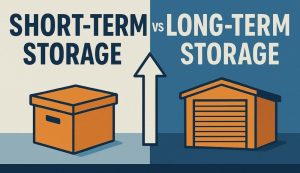
One of the most practical decisions in the storage process is matching the rental commitment to the actual timeline.
Short-term storage suits customers with defined, limited timelines. A renovation that will take six weeks, a summer departure of four months, a business transition between offices. The priority is flexibility and the ability to close the unit cleanly when the need ends.
Long-term storage suits customers with extended or open-ended requirements. An expat storing furniture for an indefinite period, a business archiving documents with long retention requirements, or a family holding items from a property sale while a new purchase completes. Long-term arrangements often come with better pricing and are worth asking about when the timeline extends beyond three to six months.
The mistake to avoid is signing up for a long-term commitment when the timeline is genuinely uncertain, or committing to short-term pricing when the reality is that the items will be stored for a year or more.
The Most Common Mistakes First-Time Renters Make
A few patterns come up consistently among customers who have had a less-than-ideal storage experience. Knowing them in advance is straightforward insurance.
Storing without an inventory is the most common error. Items go into a unit without a clear record of what is there. Retrieval becomes a search exercise rather than a simple collection. Taking photographs and creating a basic list before anything goes in takes twenty minutes and saves hours later.
Choosing the wrong unit size is the second most common issue, almost always in the direction of too small. Items that do not fit get stored badly, which affects condition, or left out entirely, which defeats the purpose.
Not preparing items properly before storage creates avoidable damage. Furniture stored dirty accumulates organic matter. Items not wrapped or protected suffer surface damage. Appliances stored without being cleaned develop odour and mildew. A proper preparation session before moving day makes a meaningful difference to what comes back out.
Leaving access arrangements unclear until needed creates frustration. Know the process before you need it, not when you are standing at the facility with a car full of items to collect.
Quick Wins Before You Sign Anything
Before committing to a storage unit, run through this checklist:
- Write a specific inventory of what you plan to store, with approximate dimensions for larger items.
- Identify whether any items on your list require climate-controlled conditions.
- Decide honestly how often you will need to access the unit.
- Confirm the facility’s access hours and after-hours arrangements.
- Ask about flexible terms and what happens if your timeline changes.
- Clarify the insurance situation before anything goes into storage.
Making the Right Decision for Your Situation
Storage in Dubai serves an enormous range of customers and circumstances. Residents managing space in compact apartments, families transitioning between homes, expats navigating the city’s seasonal rhythms, businesses managing assets across growth stages, and commercial operators handling inventory and equipment all use storage as a practical tool in their daily lives.
The right storage solution is the one that fits your specific situation, not the cheapest option or the most convenient facility. Taking the time to understand what you actually need before making a decision saves cost, frustration, and time on both sides of the rental.
Whether your need is personal, business, or commercial, request a quote and the team will help you find the right unit size, storage type, and rental terms for your specific situation.
The decision is simpler than it first appears. It just requires asking the right questions before you start.